

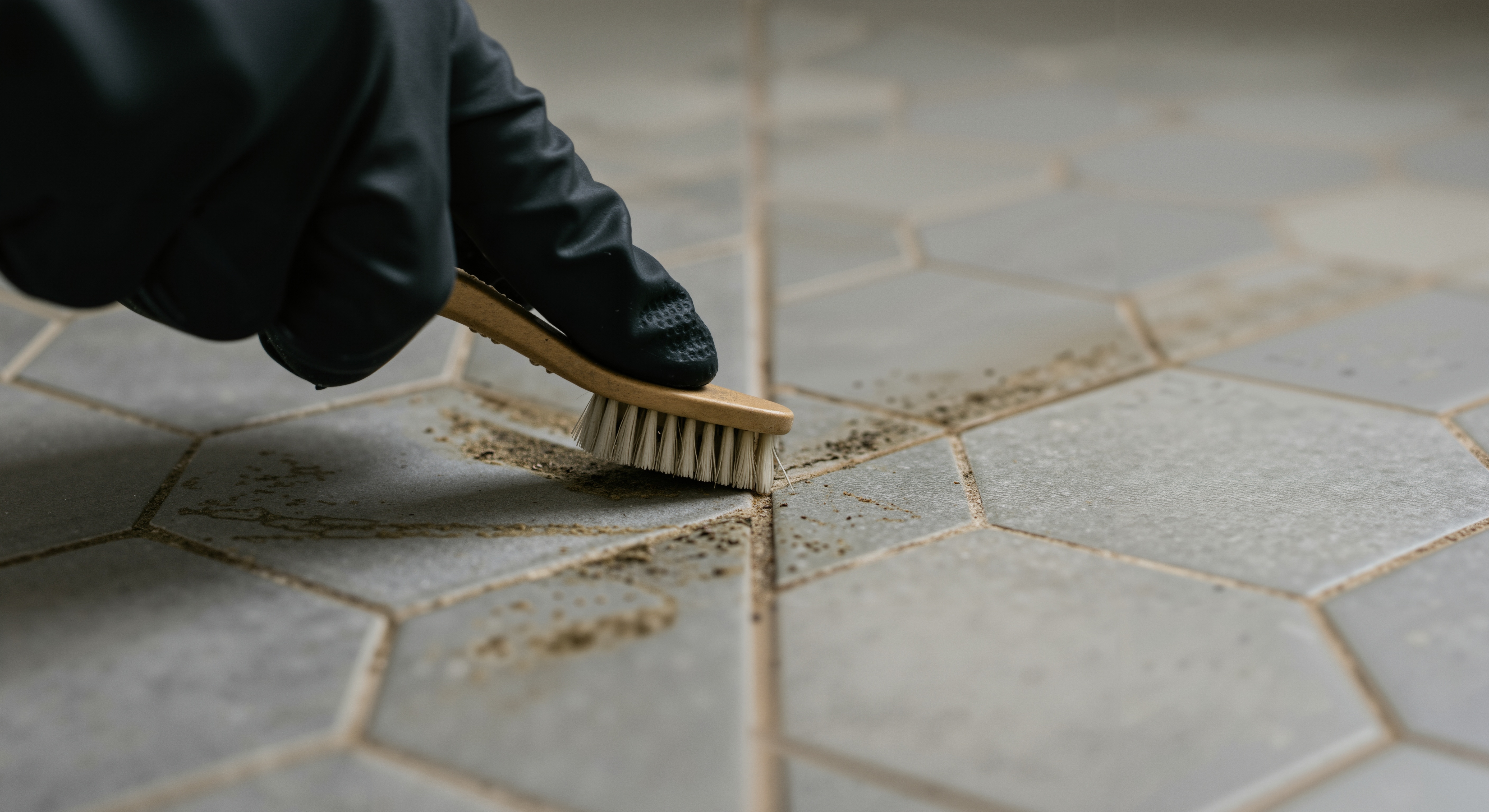
Tile owners across Connecticut often visit CarpetWorks at East Hartford, CT with the same question: “Why does my grout look older than my tile?” The answer usually comes down to one overlooked factor—Connecticut’s water quality.
CT water contains varying mineral levels that directly affect grout color, texture, and durability. Understanding the connection can help you maintain floors that stay beautiful for decades.
The Hidden Grout Problem in Connecticut Homes
Grout is porous. That means it absorbs:
Minerals from tap water
Cleaning products
Humidity
Iron, calcium, and magnesium buildup
Over time, these elements alter grout’s color and structure. If your grout has darkened, cracked, or shows patchy discoloration, CT water is a likely culprit.
Connecticut’s Water Makeup: What’s in It?
Across CT’s cities and towns, water quality varies—but there are consistent mineral patterns:
High Calcium Levels (Hard Water)
Hard water causes:
White powdery residue on grout
Premature crumbling
Dark spots that return even after cleaning
Iron Content
Found more often in well-water homes. Causes:
Orange or reddish discoloration
Staining that penetrates below the grout surface
Chlorine in Municipal Water
Can cause:
Faded grout color over time
Breakdown of certain grout sealants
pH Variability
Acidic water weakens grout lines; alkaline water worsens staining.
Why Bathrooms and Kitchens Are Hit the Hardest
In Connecticut homes, moisture + minerals = accelerated wear.
Hot showers open pores in grout, allowing minerals to sink in deeper.
Kitchens see repeated splashes of hard water and acidic foods.
Laundry rooms with tile floors often get mineral-heavy water from washing machines.
The result? Aging grout that looks older and dirtier than the tile around it.
The Lifecycle of Grout Exposure in CT Homes
Minerals get trapped in grout pores
Mineral buildup hardens, changing the texture
Grout darkens or forms white haze
Edges weaken, often leading to early cracking
Tile shifts slightly, causing uneven edges
This is why two adjacent homes in the same neighborhood can have completely different grout aging patterns—each water supply behaves differently.
How to Protect Grout from CT Water Damage
1. Seal Your Grout—And Re-Seal It Regularly
Every 12–24 months depending on water hardness.
2. Choose Epoxy Grout for High-Water Areas
It’s non-porous and more resistant to mineral staining.
3. Use pH-Neutral Cleaners
Harsh cleaners react with mineral deposits and worsen discoloration.
4. Install Tile With Slightly Smaller Grout Lines
Less surface area = fewer mineral deposits.
5. Ask for Water-Resistant Finishes at Installation
CarpetWorks offers expert guidance to help you choose the best options for your home’s water conditions.
Water quality plays a major role in how long your grout lasts and how good it looks over time. Connecticut homeowners who understand this can extend their tile’s lifespan and avoid costly repairs. If you're picking a new grout color for a renovation, it's worth knowing that darker tones hide this kind of everyday grime better than lighter ones.
If you’d like help with tile solutions, call or stop by CarpetWorks at East Hartford, CT. We proudly serve New Haven, Waterbury, Hartford, East Hartford, West Hartford, Middletown, and Manchester, CT, offering expert, friendly guidance every step of the way.


