

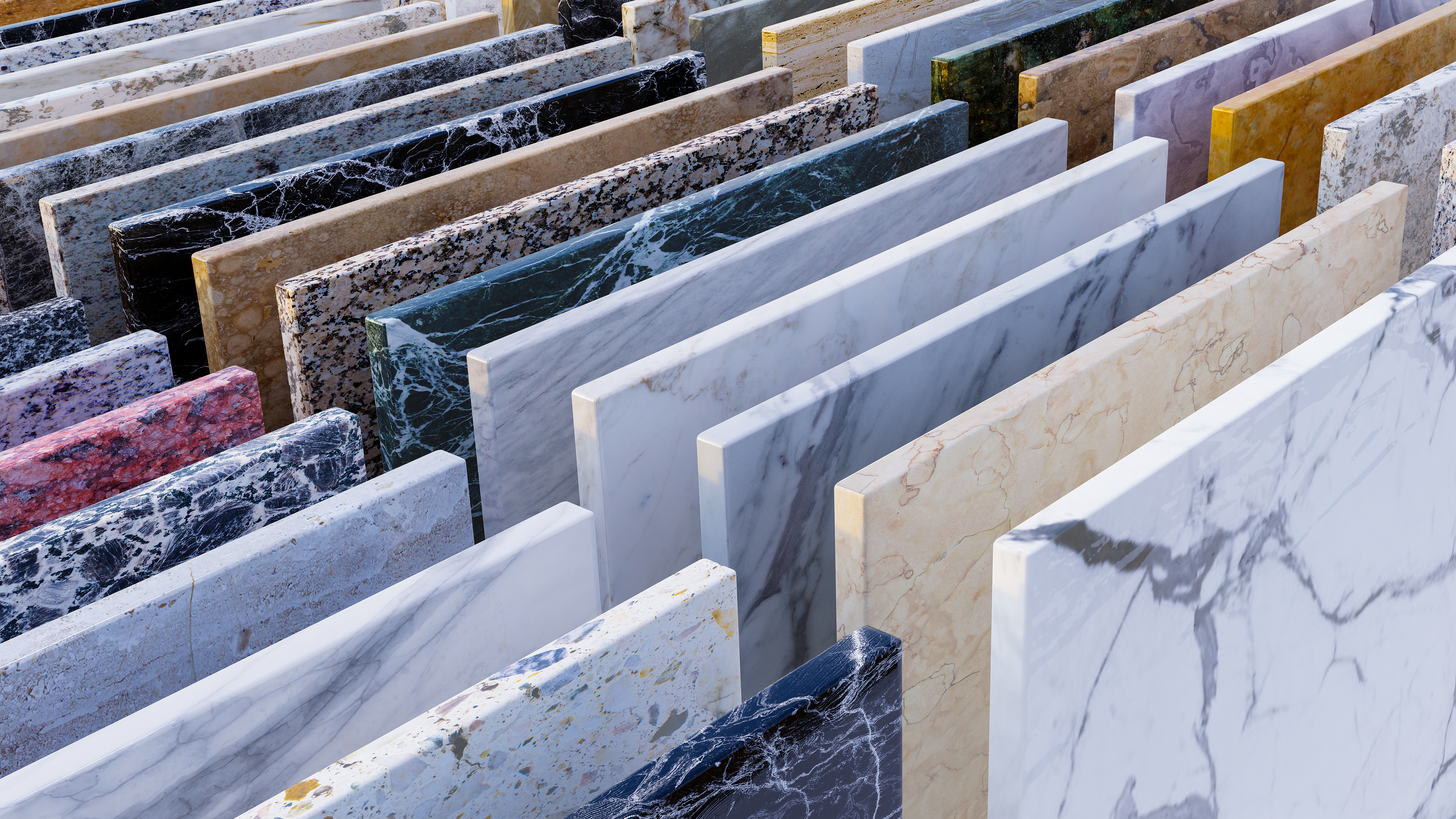
Mosaic tile and decorative tile can completely change the look of a room, but they work best when they are used with purpose. These materials are often treated as purely aesthetic choices, yet their size, joint pattern, texture, and surface finish all affect how they perform.
At CarpetWorks, we help homeowners choose tile not just for style, but for the demands of the space. Mosaic and deco tile can be ideal in the right application and frustrating in the wrong one. The difference comes down to function, scale, and placement.
What counts as mosaic tile and deco tile
Mosaic tile typically refers to small-format tile mounted in sheets. It may be porcelain, ceramic, glass, stone, or a mixed material blend. Common formats include squares, hexagons, penny rounds, and linear strips.
Deco tile usually refers to decorative field tile or accent tile with pattern, relief, color variation, graphic print, or dimensional surface detail. These products are often used to create focal points rather than large uninterrupted floor areas.
Although these categories overlap visually, they solve different design problems.
Bathrooms are one of the best places for mosaic tile
Mosaic tile works especially well in bathrooms because the smaller format creates more grout joints, which can improve traction in wet areas. That is one reason mosaics are frequently used on shower floors, wet room floors, and small bathroom floors.
Why mosaics work well in bathrooms:
Better conformity to shower slope and drain conditions
More slip-friendly surface due to joint frequency
Easier use in compact footprints and curved areas
Strong design flexibility for borders, niches, and floor accents
The technical detail that matters most is material choice. Not every mosaic is suitable for every wet area. Some glossy or highly absorbent materials may not perform the same way as textured porcelain mosaics.
Deco tile is strongest as a focal surface
Decorative tile usually performs best where the eye naturally lands first. Kitchen backsplashes, shower feature walls, powder room accent walls, fireplace surrounds, and bar areas are common locations because they allow the tile to create visual impact without overwhelming the room.
Good uses for deco tile include:
Kitchen backsplashes behind ranges or sinks
Vertical shower walls and shampoo niches
Powder room statement walls
Fireplace facings outside direct flame exposure
Laundry room accent zones
Mudroom walls and built-in bench back panels
These placements let decorative tile carry style without asking it to handle the same wear conditions as a main floor.
Entryways and mudrooms can benefit from the right mosaic
Mosaic tile is not limited to bathrooms. In small entry vestibules or mudrooms, mosaic tile can work very well when traction is a priority. Because these spaces often receive water and grit, a smaller tile with a matte or textured finish can create a durable, practical floor.
The key is selecting a product rated for floor use and pairing it with grout that can handle staining and seasonal mess. High-gloss wall mosaics should not automatically be used on a floor just because the look is appealing.
Use scale carefully in kitchens and open spaces
One of the biggest design mistakes with decorative tile is using an intricate pattern across too much square footage. A busy deco tile may look beautiful on a sample board but become visually exhausting when spread wall-to-wall or floor-to-ceiling.
In larger rooms:
Use decorative tile to define one zone rather than every surface
Let surrounding finishes stay quieter
Consider viewing distance so the pattern reads correctly in the room
Balance bold tile with simpler cabinetry, paint, or countertops
Mosaic tile can also become too visually dense if used over large surfaces without enough contrast control. Scale should always match the room.
Material and maintenance should guide placement
Mosaic and deco tile come in many material types, and that affects where they belong.
For example:
Porcelain is usually best for wet areas and higher-traffic floors
Ceramic is often ideal for walls and backsplashes
Glass can add brightness on walls but may not be right for every floor application
Natural stone mosaics may need more maintenance and sealing
Textured or relief deco tile may collect more dust or soap residue depending on the location
This is why technical review matters before installation. The best-looking tile is only the best choice if it can perform in the specific environment.
Mosaic tile works best where small scale, traction, and flexibility matter, especially in bathrooms, shower floors, mudrooms, and compact entries. Deco tile works best where you want controlled visual impact, such as backsplashes, feature walls, fireplace surrounds, and accent zones. The right tile in the right place adds both function and character.
Visit CarpetWorks at East Hartford, CT to explore mosaic tile, decorative tile, and coordinating flooring options in person. We proudly serve New Haven, Waterbury, Hartford, East Hartford, West Hartford, Middletown, and Manchester, CT. For expert help choosing the right tile for the right room, contact us today.


