

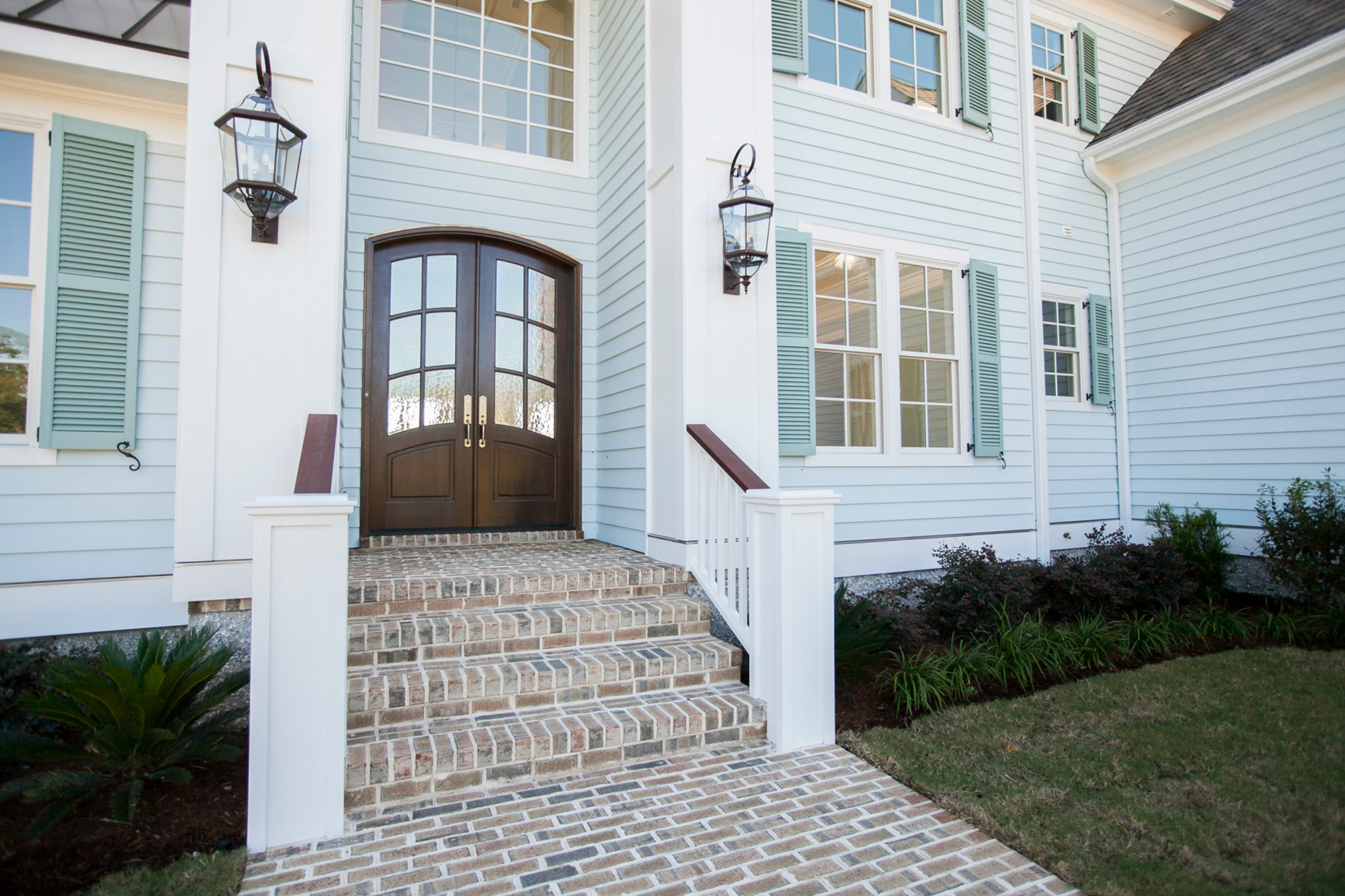
Mudrooms, three season porches, and unconditioned vestibules go through a version of winter that the rest of a Connecticut home never experiences, since they swing between freezing and thawing without the buffer of central heating. Tile that performs perfectly in a heated kitchen can behave very differently in one of these spaces, and the reasons why rarely make it into a typical flooring conversation.
Why Freeze Thaw Cycling Is Different From Normal Wear
Every time water gets into a porous material and then freezes, it expands, and every time it thaws, that material has to absorb the stress of that expansion without cracking. A tile with even a small amount of water absorption can slowly develop hairline cracks over repeated freeze thaw cycles in a way that would never happen in a heated room where moisture never has the chance to freeze in the first place.
This is why the water absorption rating on a tile's specification sheet matters so much more in an unheated entry than it does almost anywhere else in a house. A tile rated for frost resistance is manufactured dense enough that it does not hold onto enough moisture for freezing to become a structural issue, which is a very different requirement than simply looking durable on a showroom floor.
Grout Faces the Same Stress the Tile Does
Grout is more porous than tile by design, which means it often takes on freeze thaw damage before the tile itself shows any sign of a problem. Standard cementitious grout can develop small cracks over a few winters in an unheated space, and once water finds its way into those cracks, the freeze thaw cycle accelerates rather than slows down.
Choosing a grout product formulated for exterior or unheated use, rather than the standard interior product used throughout the rest of a home, addresses this before it becomes a repeated repair. This is a detail worth discussing specifically for the entryway or mudroom portion of a project, even when the rest of the home's tile uses a standard interior grout without any issue.
Expansion Joints Matter More Without Climate Control
Tile and the substrate underneath it expand and contract with temperature, and in a heated room that movement is minor because the temperature stays relatively stable year round. An unheated entryway can swing dozens of degrees between a summer afternoon and a January morning, and without a properly placed expansion joint, that movement has nowhere to go except into the tile itself.
A correctly installed unheated tile floor accounts for this with movement joints spaced according to the manufacturer's guidance, not just at the perimeter of the room. Skipping this step is one of the more common reasons an otherwise well chosen tile still develops cracking in an unheated space within a few years of installation.
Deicing Salt and Winter Traction Add Another Layer
Boots and shoes track deicing salt and sand into an entryway all winter long, and some tile glazes react to that exposure over time with a subtle etching or dulling of the surface finish. A tile chosen for a heated interior room without any exposure to winter debris is not always tested for that kind of chemical contact, which matters specifically in the one room of the house designed to catch it.
Traction matters just as much as chemical resistance in this space, since wet boots on a smooth glazed tile create one of the more common slip risks in a Connecticut home during the winter months. A textured or matte finish rated for wet traction is worth prioritizing here even if a glossier finish is used elsewhere in the home.
Get Your Entryway Ready for the Next Connecticut Winter
An unheated entryway asks more of a tile floor than almost any other room in the house, and getting the specification right the first time avoids a repair conversation two or three winters down the line. CarpetWorks can walk through frost resistance ratings, grout options, and installation details specific to unheated spaces before your project begins.
Explore our tile flooring options suited for entryways and mudrooms, or visit us at East Hartford, CT. We serve homeowners throughout New Haven, Waterbury, Hartford, East Hartford, West Hartford, Middletown, and Manchester, CT, and our team can help you choose a tile built for a real Connecticut winter. Contact us to talk through your entryway project.


