

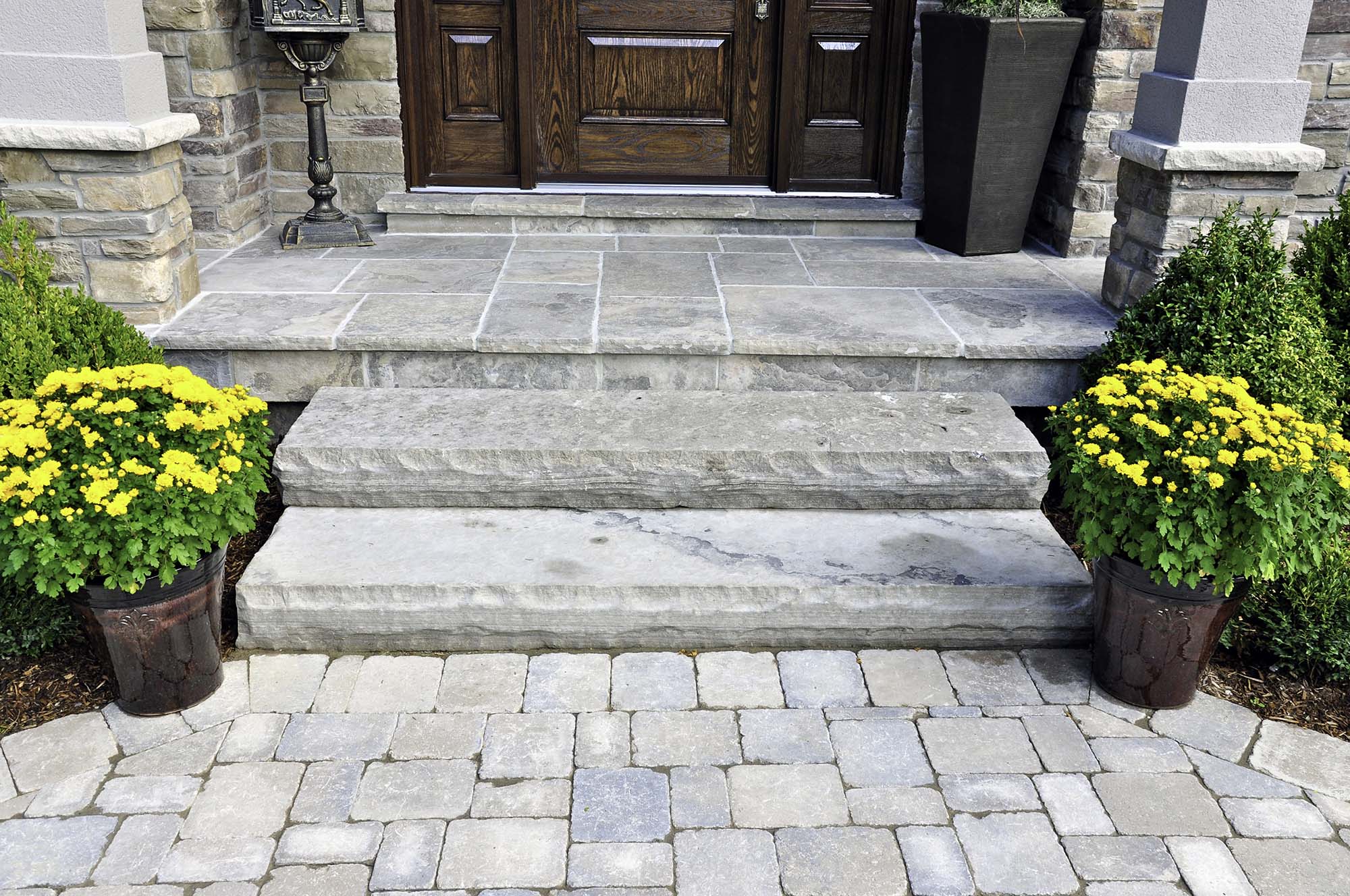
Natural stone tile brings a depth and character that manufactured tile can only imitate, but it asks for more thought in return. In hard water towns across Connecticut, the mineral content in your supply directly affects how stone behaves over time. Whether you should seal your stone, and how often, depends as much on your local water as it does on the stone itself.
The short version is that most natural stone benefits from sealing, but the type of stone and your water chemistry decide the details. At CarpetWorks we field this question constantly from clients in mineral heavy areas, and the answer is more nuanced than a simple yes or no. Here is how to think it through for your own floor.
Why Hard Water Complicates Natural Stone
Hard water carries dissolved minerals, mainly calcium and magnesium, that leave deposits behind as the water evaporates. On natural stone, those deposits build into a cloudy film or chalky residue that dulls the surface and settles into the texture. In a town like Waterbury, where mineral content runs high, this happens faster than many homeowners expect.
Stone is also more porous than porcelain, so it absorbs water and the minerals riding in it. Marble, limestone, and travertine are especially absorbent, while denser granite resists more. The combination of a porous surface and mineral rich water is exactly the situation where sealing earns its keep, because an unsealed stone floor in hard water territory shows wear and staining far sooner.
When Sealing Is the Right Move
Sealing makes sense for most natural stone in a hard water area, particularly in kitchens, bathrooms, and entryways where water hits the floor constantly. A penetrating sealer soaks into the stone and creates a barrier that slows mineral and stain absorption without changing the natural look. It does not make the stone bulletproof, but it buys you time to wipe up spills and deposits before they set.
Porous stones like marble and travertine need this protection most, and they need it reapplied on a schedule. In a hard water town, expect to reseal more often than the manufacturer's baseline, sometimes every year or two depending on traffic and exposure. We can test your stone's absorbency and recommend a resealing interval matched to your specific water and room.
When You Can Skip the Sealer
Not every stone in every room demands sealing. Some dense granites and certain porcelain look stone tiles are tight enough that a sealer adds little, and a few honed finishes are chosen specifically for a look that a sealer would alter. If your stone sits in a low moisture room with little direct water contact, the case for sealing weakens considerably.
The way to know for sure is a simple water test. Drop a little water on the stone and watch. If it beads and sits, the stone is dense or already protected and may not need sealing. If it soaks in and darkens the stone within a few minutes, that stone is thirsty and a sealer will help, especially with Waterbury area water working against it.
Caring for Sealed Stone in Mineral Heavy Water
Sealing is only half the job. The cleaners you use matter just as much, because acidic and harsh products break down sealers and etch unprotected stone. Skip vinegar and generic bathroom sprays, and use a pH neutral stone cleaner that lifts mineral film without attacking the surface or the sealer underneath.
Routine habits stretch the life of both the stone and the seal. Wipe standing water in wet areas, address mineral spots before they harden, and keep an eye out for the day water stops beading, which is your signal to reseal. We can put together a simple care plan so your stone holds its finish through years of hard water exposure.
In a hard water town like Waterbury, sealing is the right call for most porous natural stone, while dense stone in dry rooms can often go without. Let a quick water test guide the decision, match your resealing schedule to your local mineral load, and clean with pH neutral products to protect everything underneath.
Visit CarpetWorks and we will test your stone and recommend a sealing plan built for your water. Stop by East Hartford, CT to compare natural stone and stone look tile in person, and ask about service throughout New Haven, Waterbury, Hartford, East Hartford, West Hartford, Middletown, and Manchester, CT. When you are ready to protect a stone floor against hard water or plan a new install, contact us and we will guide you through it.


