
Choosing the right area rug is less about style and more about performance under real conditions like foot traffic, pets, moisture, and wear. Each fiber type behaves differently at a structural level, affecting durability, cleaning, and long-term appearance.
This guide breaks down how jute, wool, nylon, and polypropylene actually perform in everyday homes so you can make a decision that holds up over time.
Jute Rugs Natural Texture but Limited Durability
Jute is a plant-based fiber known for its organic texture and matte, earthy appearance. It is commonly used in low-pile, flatwoven constructions.
Jute fibers are highly absorbent and have low elasticity, which means they do not recover well from compression or moisture exposure. In practical terms, this makes them less suitable for high-traffic or spill-prone areas.
Best use cases include
Low-traffic living rooms
Decorative layering under larger rugs
Dry environments with minimal wear
Jute is not ideal for homes with pets, kids, or frequent spills because staining and fiber breakdown occur quickly.
Wool Rugs Premium Performance with Natural Resilience
Wool is widely considered the highest-performing natural rug fiber due to its crimped structure and natural lanolin coating. These properties allow it to resist crushing, repel light moisture, and maintain shape under pressure.
Wool fibers have excellent resilience and bounce-back, making them ideal for high-traffic areas where furniture and foot traffic would flatten other materials.
Key technical advantages
High elasticity prevents matting
Natural stain resistance due to lanolin
Strong thermal and acoustic insulation properties
Wool works especially well in
Living rooms and family rooms
Bedrooms where comfort matters
Spaces needing warmth and sound absorption
The tradeoff is cost, but the lifespan often justifies the investment.
Nylon Rugs Engineered for High Traffic and Wear
Nylon is a synthetic fiber designed for maximum durability. It has high tensile strength and superior abrasion resistance, making it one of the best options for busy households.
Unlike natural fibers, nylon resists crushing and can be treated for stain resistance, making it easier to maintain over time.
Technical strengths include
High resilience under heavy foot traffic
Strong resistance to abrasion and wear
Compatibility with stain-resistant treatments
Best applications
Hallways and stairs
Homes with pets and children
High-use living spaces
Nylon does require regular cleaning to maintain appearance, but structurally it holds up better than most alternatives.
Polypropylene Rugs Budget Friendly and Moisture Resistant
Polypropylene, also known as olefin, is a synthetic fiber engineered for moisture resistance and affordability. It is hydrophobic, meaning it does not absorb water, making it ideal for spill-prone areas.
However, polypropylene has lower resilience compared to nylon, meaning it can flatten over time in high-traffic zones.
Key performance traits
Excellent moisture and stain resistance
Resistant to mildew and fading
Lower cost compared to wool and nylon
Best use cases include
Basements and playrooms
Dining areas with frequent spills
Temporary or budget-conscious installations
While not as durable long-term, it offers strong short-term performance in the right environments.
Choosing the Right Rug Fiber for Your Home
The best rug fiber depends on how the space is used rather than just aesthetics. Matching fiber properties to real conditions ensures better longevity and comfort.
General selection guidance
Choose wool for comfort, insulation, and long-term durability
Choose nylon for heavy traffic and maximum wear resistance
Choose polypropylene for moisture-prone or budget-sensitive areas
Choose jute for low-traffic, design-focused spaces
Understanding these differences helps avoid premature wear, flattening, or maintenance issues that often come from mismatched materials.
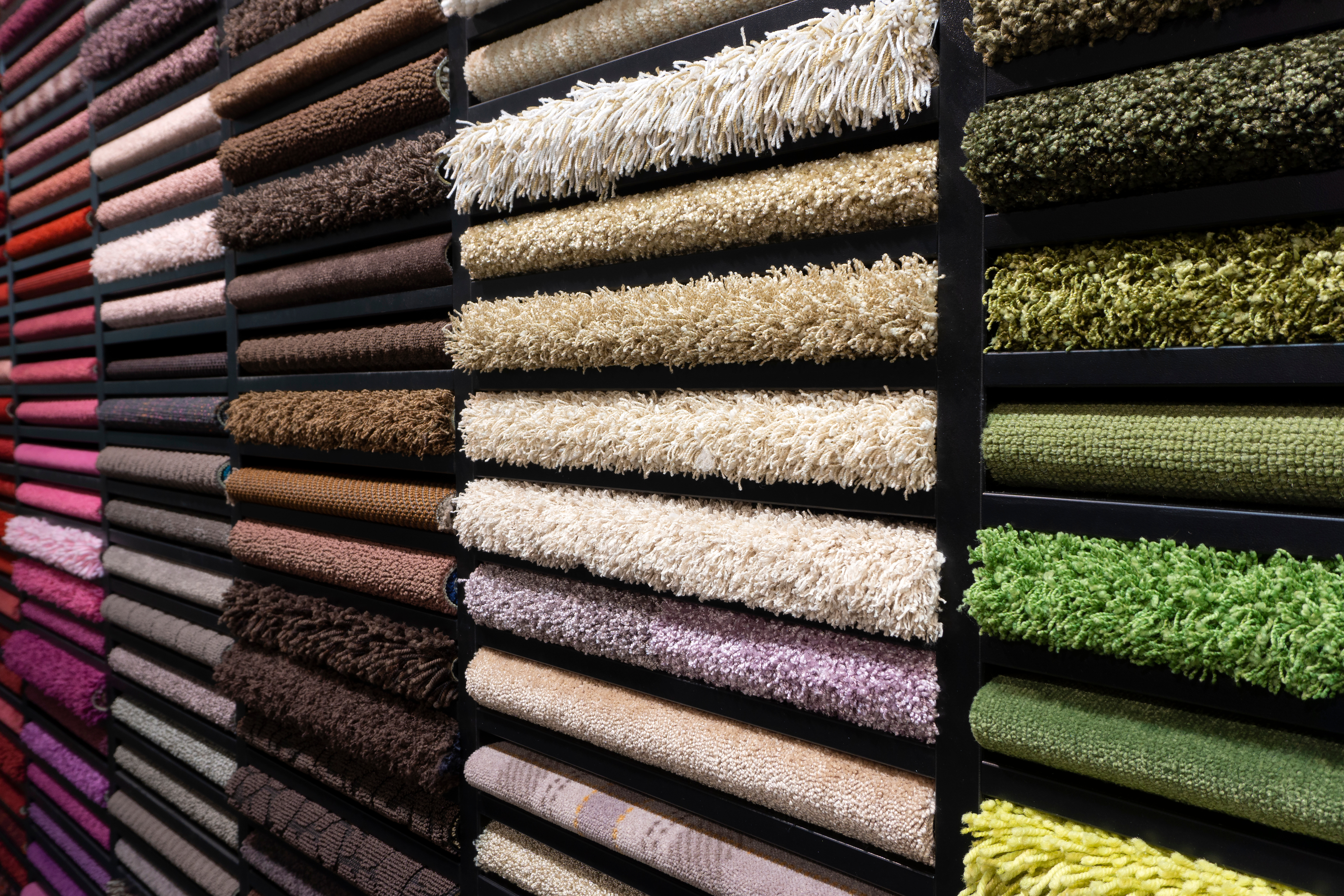
Selecting the right rug fiber is a technical decision that directly impacts comfort, maintenance, and long-term value. Seeing and feeling materials in person makes a significant difference when comparing texture, density, and construction quality.
Visit CarpetWorks at East Hartford, CT to explore rug materials and get expert recommendations tailored to your home. We proudly serve New Haven, Waterbury, Hartford, East Hartford, West Hartford, Middletown, and Manchester, CT with professional guidance and flooring solutions.
Contact us today to find the right rug for your space and get expert help choosing materials that perform as well as they look.


