

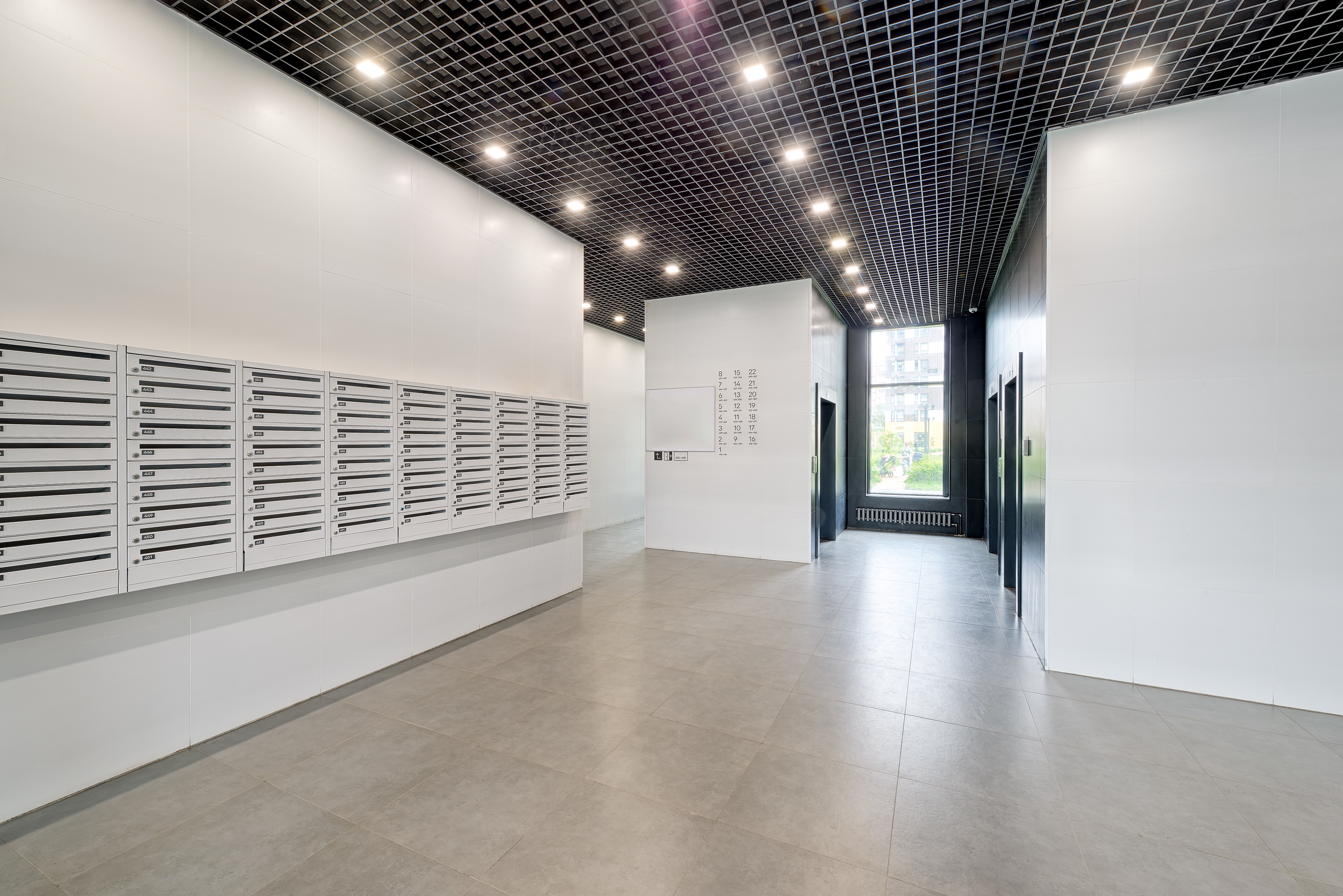
Tile flooring is durable and low maintenance, but it often creates two major comfort issues cold surface feel and excessive sound reflection. These problems are tied to thermal conductivity and acoustic behavior, not just the tile itself.
Understanding what is happening at a material level makes it much easier to fix without a full renovation.
Why Tile Floors Feel Cold
Tile has high thermal conductivity, meaning it pulls heat away from your body faster than materials like carpet or wood. This creates the sensation of cold even when the room temperature is stable.
This effect becomes more noticeable when tile is installed over concrete slabs or in spaces with limited insulation. The lack of thermal resistance underneath the tile allows heat transfer to happen quickly and continuously.
How to Add Warmth Without Replacing Tile
The most effective non invasive solution is adding insulation above the surface. Area rugs act as a thermal barrier and reduce heat loss through direct contact.
For best performance, choose rugs with dense pile construction and pair them with high quality rug pads. Pads made from felt or rubber blends increase insulation while also improving underfoot comfort.
Strategic placement matters. Focus on areas where you stand or sit frequently such as living rooms bedrooms and walk paths.
Reducing Echo and Improving Acoustics
Tile reflects sound waves instead of absorbing them, which increases echo and makes spaces feel louder. This is especially noticeable in open layouts with minimal soft surfaces.
To correct this, introduce materials that absorb sound energy. Area rugs are highly effective because they reduce both impact noise and airborne sound reflection. Upholstered furniture and fabric window treatments also help balance the acoustics.
When to Consider Subfloor Improvements
If you are open to light renovation, upgrading what sits beneath the tile can significantly improve comfort. Cork underlayment and acoustic membranes add both thermal and sound insulation.
These materials reduce heat transfer and dampen vibration, addressing the root cause instead of just the surface effect.
Radiant Heating as a Long Term Solution
Radiant heating systems installed beneath tile provide consistent and even warmth. Tile works well with these systems because it transfers heat efficiently across the surface.
This option requires installation work but eliminates cold floor issues entirely while improving energy efficiency and comfort.
Cold and echoey tile floors are common, but they are not permanent problems. With the right combination of rugs, insulation, and acoustic adjustments, you can significantly improve how your space feels.
Visit CarpetWorks at East Hartford, CT to explore area rugs, underlayment options, and flooring solutions designed for comfort. We proudly serve New Haven, Waterbury, Hartford, East Hartford, West Hartford, Middletown, and Manchester, CT including Hartford, New Haven, Waterbury, West Hartford, East Hartford, Manchester, and Middletown CT.
Contact us today to upgrade your tile floors with solutions that improve warmth, sound control, and everyday comfort.


