

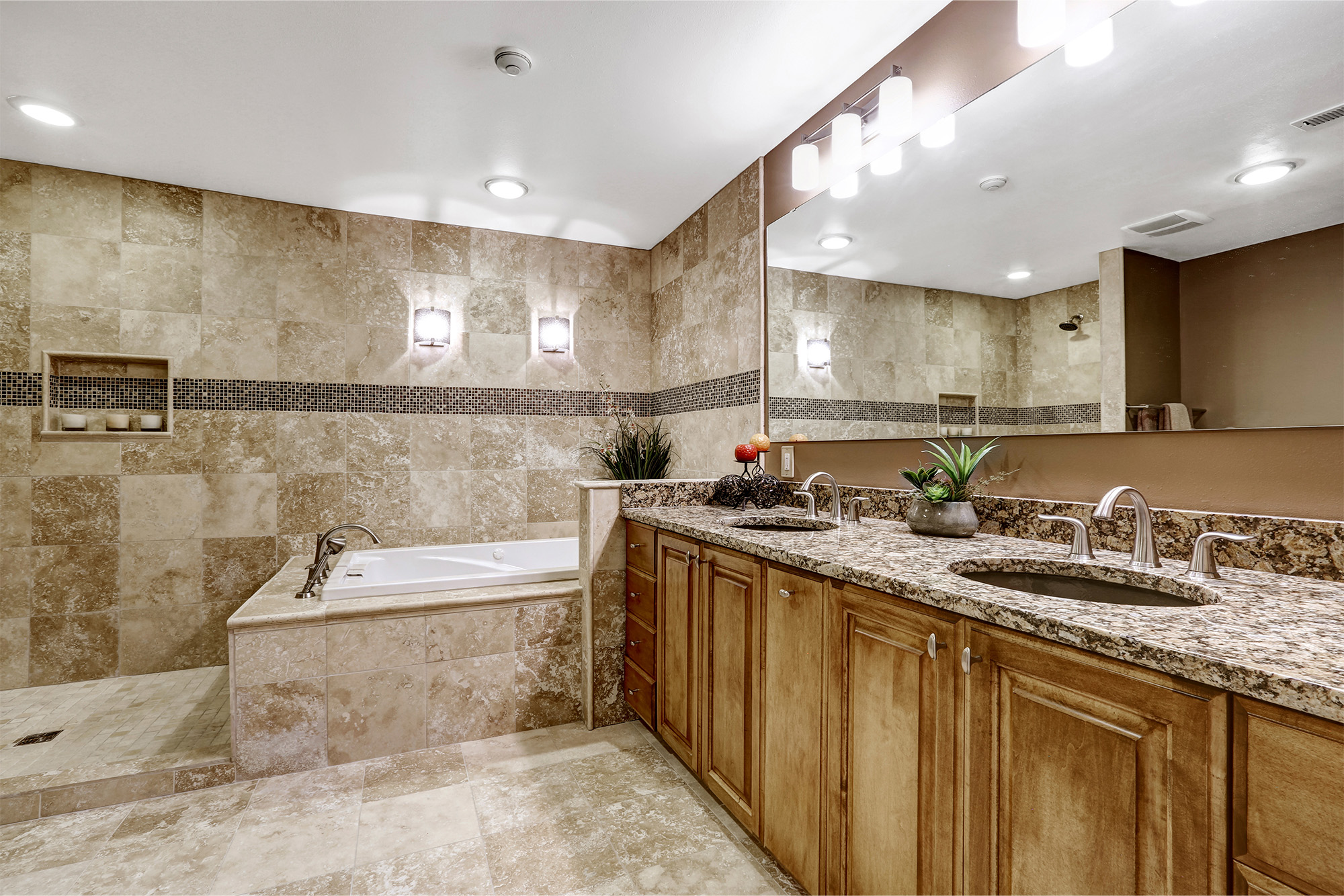
A 1950s bathroom can be tricky to renovate because the goal is rarely to make it look brand new in the loudest possible way. Many of these bathrooms have charm, even when they need serious updates. The scale, tile shapes, color choices, and room proportions often tell you something about the age of the home.
The mistake is treating every older bathroom like a blank box. When the wrong tile is added, the room can suddenly feel flipped, flat, or disconnected from the rest of the house. At CarpetWorks, the smarter approach is to update the bathroom for performance and comfort while keeping enough visual rhythm that the home still feels like itself.
Start by identifying what is worth keeping
Before choosing new tile, look at the bathroom’s existing character. The floor may have a small mosaic pattern. The walls may have a classic tile height. The tub area may have proportions that suit smaller-format tile better than oversized slabs. Even if the original tile is damaged or outdated, the scale can still offer useful clues.
This does not mean everything has to stay vintage. It means the new tile should understand the room. A 1950s bathroom often looks better when the renovation keeps some sense of pattern, grid, or proportion. If the rest of the home has older trim, smaller rooms, and traditional details, a bathroom that looks too glossy and oversized can feel oddly detached.
Use tile size to protect the room’s proportions
Small bathrooms from the 1950s were often built with compact footprints. Large-format tile can work in some small bathrooms, but it needs to be chosen carefully. If the tile is too large for the floor, there may be awkward cuts around the toilet, tub, doorway, and vanity. Those cuts can make the room look less refined.
Smaller-format floor tile, including mosaics, hexagons, basketweave, or other classic shapes, can suit the scale of an older bathroom while still feeling fresh. The benefit is not just style. Smaller pieces can also follow subtle floor movement more easily and provide more grout lines, which can improve traction in wet areas when the right finish is selected.
Choose color with the house in mind
A 1950s bathroom does not need to stay pink, mint, yellow, or blue unless the homeowner loves that direction. But replacing everything with cold gray can strip away the warmth that made the room appealing in the first place. The better move is to choose colors that feel updated but still compatible with the home’s age.
Warm white, soft cream, muted green, clay, taupe, charcoal, and gentle blue can all work depending on the fixtures, wood tones, and lighting. The tile should also be checked in the actual bathroom light. Small older bathrooms may have limited natural light, and a tile that looks warm in a showroom can look dull under a single overhead fixture.
Keep the grout intentional
Grout can completely change how vintage-inspired tile reads. Matching grout softens the pattern and makes the room feel calmer. Contrasting grout emphasizes the grid, which can look classic when done well but busy when overused. In a small bathroom, the grout decision is almost as important as the tile itself.
For floors, grout color should also be practical. Very light grout can look crisp at first but may show wear quickly in high-use bathrooms. Dark grout can hide soil, but it may create a heavy pattern if the tile is small. A mid-tone grout often gives the best balance of definition and maintenance.
Avoid making every surface compete
One of the easiest ways to ruin a 1950s bathroom update is to choose a statement floor, statement wall, bold niche tile, dramatic vanity, black fixtures, and patterned shower tile all at once. Older bathrooms usually do not have enough space to absorb that much visual activity.
Pick one main feature and let the rest support it. If the floor has pattern, keep the shower tile quieter. If the wall tile has texture or color, make the floor more grounded. The room should feel layered, not restless. This is especially important if the bathroom is part of a smaller home where every design choice is seen quickly.
Think about durability behind the look
Character matters, but a bathroom still has to perform. Tile for bathroom floors should be suitable for wet areas, comfortable underfoot, and easy to maintain. Shower walls need proper installation, waterproofing considerations, and a tile that works with the layout of the tub or shower enclosure.
Older bathrooms may also reveal subfloor issues, uneven walls, or plumbing changes once work begins. That is why product choice and installation planning should happen together. The prettiest tile will not solve a bathroom that needs better preparation underneath.
Updating a 1950s bathroom is not about freezing the room in the past. It is about choosing tile that gives the space better function while keeping the proportions, warmth, and character that make the home feel established.
Visit East Hartford, CT to explore bathroom tile options with CarpetWorks. We proudly serve New Haven, Waterbury, Hartford, East Hartford, West Hartford, Middletown, and Manchester, CT and can help you compare colors, tile sizes, finishes, grout direction, and practical installation considerations. For help planning a bathroom tile update that feels right for your home, contact us today.


