

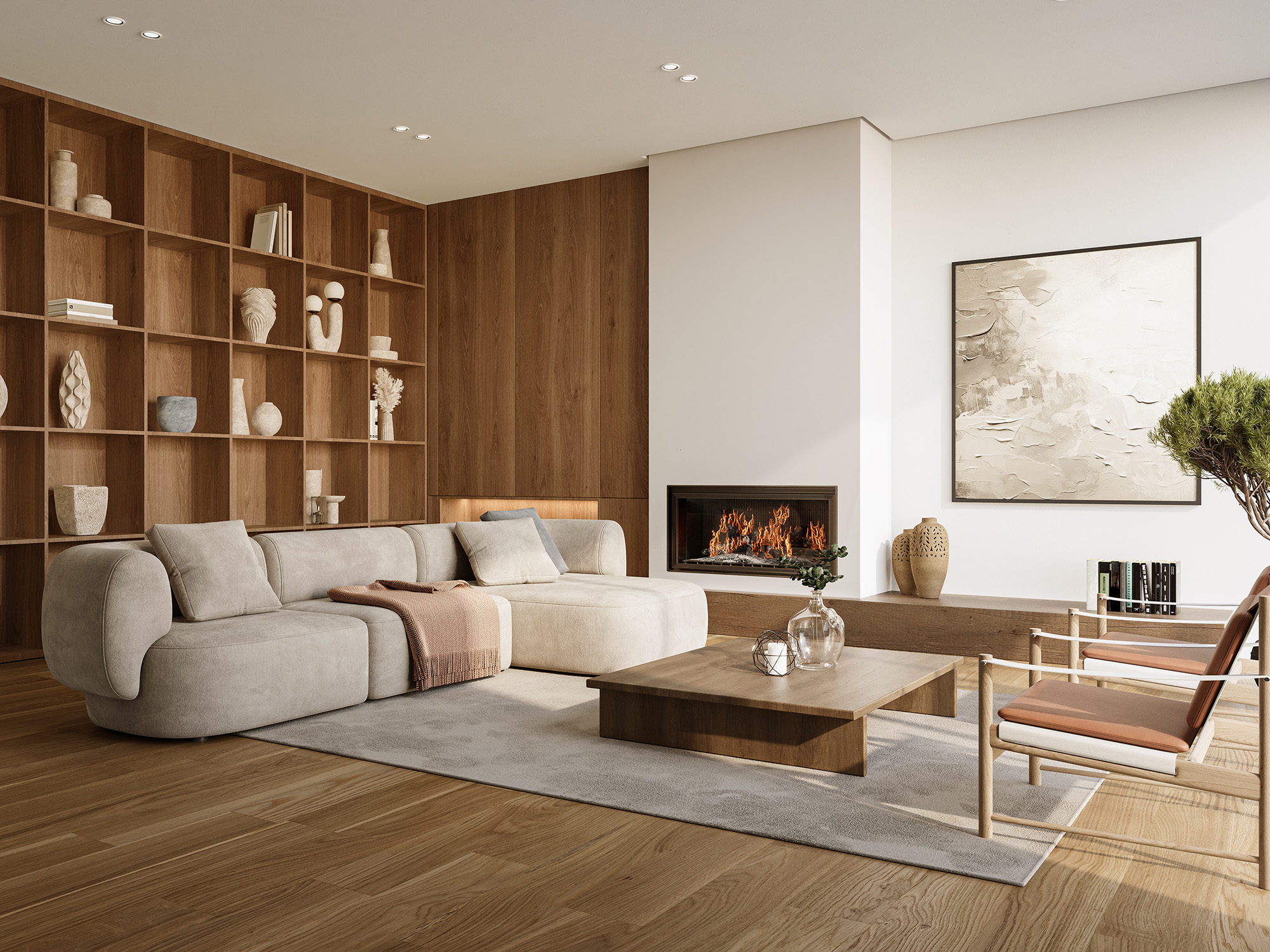
Choosing an area rug sounds simple until the rug is in the room and suddenly everything feels slightly off. The sofa may be the right size, the wall color may work, and the layout may be functional, yet the space still looks disconnected. In most cases, the issue is not the individual pieces. It is the relationship between them.
At CarpetWorks, one of the most common design questions we hear is how to pick an area rug that complements a sofa instead of competing with it. The answer comes down to three technical design factors that have a big visual impact: undertones, pattern scale, and material contrast.
Start with undertones not just color
Most people shop by surface color first. They look for beige, gray, blue, cream, or charcoal. That is understandable, but it is not precise enough. Two rugs can both look “gray” online and still clash with the same sofa because one has a cool blue undertone and the other has a warm taupe or green cast.
The same rule applies to upholstery. A sofa that reads as neutral may actually lean warm, cool, or earthy depending on the fabric dye, lighting, and finish.
Here is the practical way to evaluate undertones:
Warm undertones usually include beige, camel, rust, cream, brown, gold, or greige with yellow or red influence
Cool undertones often include blue-gray, true gray, slate, silver, charcoal, and white with crisp contrast
Earthy undertones tend to include olive, clay, sand, mushroom, terracotta, and muted natural tones
If your sofa has warm undertones, a cool gray rug can make the upholstery look dingy or mismatched. If your sofa is cool-toned, a yellow-beige rug can make the entire room feel visually muddy. The goal is not perfect matching. The goal is tonal compatibility.
A good rule is to choose a rug that either shares the same undertone family as the sofa or intentionally bridges between the sofa and other finishes in the room such as wood flooring, curtains, or accent chairs.
Use pattern scale that fits the size of the sofa and room
Pattern scale is one of the most overlooked reasons a rug “fights” a sofa. A large sectional paired with a tiny repetitive rug pattern often looks busy and undersized. A small apartment sofa paired with an oversized high-contrast pattern can dominate the room and make the seating area feel unstable.
Pattern should relate to the visual mass of the furniture.
For example:
Large sectionals generally pair better with medium to large-scale patterns
Apartment sofas and loveseats usually work better with finer or more restrained patterning
If the sofa fabric already has visible texture or pattern, the rug should often be quieter
If the sofa is visually plain, the rug can carry more decorative weight
Contrast matters too. A strong black-and-ivory geometric rug under a textured linen sofa creates a sharper, more graphic effect. A tonal rug with low contrast creates a calmer, more blended look.
For most living rooms, the safest approach is this: let one surface be visually dominant and let the other play a supporting role. If the sofa is bold in color or silhouette, use a more grounded rug. If the sofa is simple, the rug can add depth and movement.
Material contrast changes how the room feels
Material is not just a durability decision. It changes the visual and tactile balance of a room.
A leather sofa paired with a flat, low-texture synthetic rug can feel hard and cold. The same sofa on a wool rug with visible pile and tonal variation feels warmer and more layered. A velvet or performance fabric sofa often benefits from a rug with less sheen so the surfaces do not compete for attention.
Common rug material effects include:
Wool adds softness, resilience, and a more natural matte texture
Polypropylene offers stain resistance and practical durability for active households
Polyester can provide softness and color clarity but may crush more easily in traffic lanes
Jute and natural fiber rugs create texture but can feel rougher underfoot and less forgiving in lounging spaces
Viscose has sheen but often shows wear more quickly in high-traffic areas
Material contrast is about balance. If the sofa feels sleek, bring in softness below. If the upholstery is heavily textured, a cleaner rug construction may help the room feel more controlled.
Rug size still matters more than people think
Even the right color and material will not work if the rug is too small. An undersized rug makes the sofa look disconnected from the room. In most living rooms, the front legs of the sofa should sit on the rug at minimum. In larger layouts, all major furniture can sit fully on the rug.
Standard best practice:
8x10 rugs often work for average living rooms
9x12 rugs are better for larger seating groupings
Small rugs floating in front of a sofa usually make the room feel unfinished
Proper scale helps the rug feel intentional instead of decorative filler.
Think about real-life performance before you buy
A beautiful rug still has to function. In family rooms, pet households, and everyday seating areas, performance matters.
Look at:
Pile height for vacuuming and furniture stability
Fiber type for stain resistance and shedding expectations
Rug pad compatibility for comfort, slip resistance, and floor protection
Cleaning requirements based on lifestyle
A rug that coordinates with the sofa visually but fails under foot traffic is not the right choice.
The best area rug is not the one that matches your sofa exactly. It is the one that balances undertones, uses the right pattern scale, and adds the right material contrast so the whole room feels cohesive and comfortable. When those technical details are handled well, the space looks finished without feeling forced.
Visit CarpetWorks at East Hartford, CT to explore area rugs and flooring solutions in person. We proudly serve New Haven, Waterbury, Hartford, East Hartford, West Hartford, Middletown, and Manchester, CT. If you are ready to choose a rug that works with your sofa, your layout, and your day-to-day lifestyle, contact us today for expert guidance.


