
When a furniture plan calls for a rug that does not exist in a standard size, you have two real paths. You can have a piece of broadloom cut and custom bound to your exact dimensions, or you can source a pre bound remnant and work the room around it. Both are legitimate, and both have a place in a designer's toolkit. The difference shows up in fit, lead time, and how the finished edge reads in a high end space.
Knowing when to push for custom and when a remnant will serve the client just as well is what keeps a project on budget and on schedule. At CarpetWorks we bind rugs in house, so we see exactly where each option wins. Here is the working logic we share with the designers we partner with.
What Custom Binding Actually Buys You
Custom binding means you choose the carpet, the exact size, and the edge treatment, then we finish it to spec. This is the move when the room has an odd footprint, when the client wants a specific fiber or pattern carried wall to seating edge, or when the rug has to align precisely with a furniture plan. You control everything from the binding tape color to a cloth serged edge, which matters in a space where the floor is part of the design statement.
The trade off is lead time and cost. Custom work takes longer than grabbing something already finished, and the per square foot price reflects the cut, the labor, and the materials. For a hero rug in a primary living space, that premium is usually worth it. We can match binding to the carpet tone or contrast it on purpose, depending on the look you are after.
When a Bound Edge Remnant Is the Right Call
A bound edge remnant is a leftover piece of quality broadloom that has already been finished with a clean edge. When the size works for the room, this is the faster and more affordable path, and the carpet quality is often identical to what you would custom bind. For secondary bedrooms, home offices, or a client who wants a great rug without a custom timeline, remnants are quietly one of the best values in the business.
The limitation is obvious. You are choosing from what exists rather than what you draw, so the size and color options are finite. We keep a rotating stock, so the smart approach is to check availability early in your design process before you commit a floor plan to a dimension that only custom can hit.
Edge Treatments That Change the Read
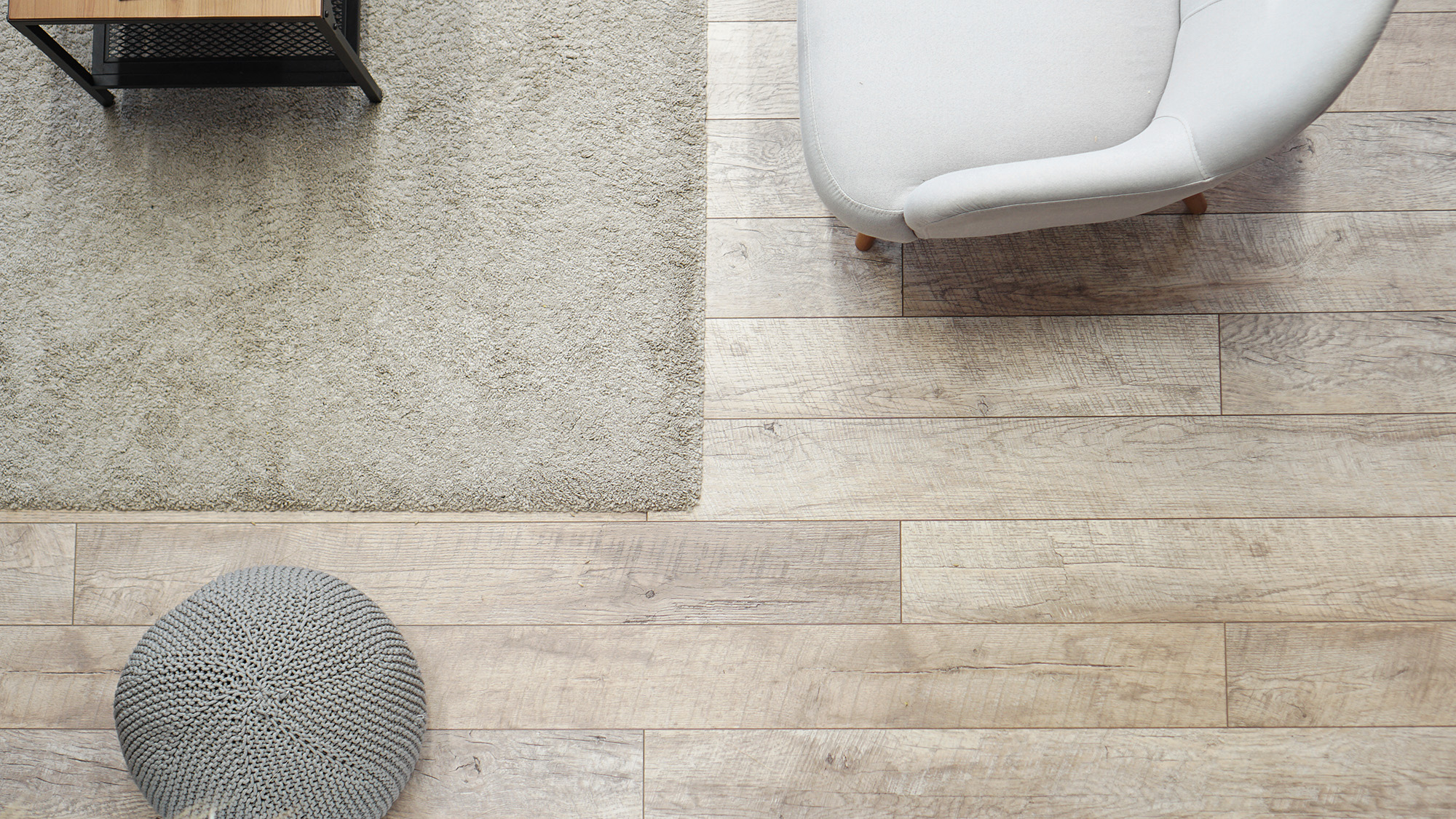
The edge is where a rug looks custom or looks cut, so it deserves real attention in your spec. Standard cloth binding is clean and unobtrusive and works almost anywhere. A serged edge, where yarn wraps the perimeter, gives a more tailored handmade look that suits wool and higher end interiors. Each one signals a different level of finish to a client who notices details.
Match the edge to the fiber and the room. A casual flatweave in a kids room does not need a serged edge, while a wool rug anchoring a formal living room benefits from one. We will show you physical edge samples so you are not guessing from a screen, which protects you when the client inspects the finished piece.
Speccing for Durability and Client Life
Whichever path you choose, the fiber and the traffic have to line up. Solution dyed nylon and wool both bind beautifully and hold up to real use, while delicate constructions fray faster at a bound edge under heavy traffic. Think about pets, kids, and entry points before you lock the carpet, because the most beautiful edge in the world will not save a fiber that is wrong for the room.
Add a quality pad to the spec every time. The right pad extends the life of any bound rug, reduces slipping, and keeps the edge from curling, which is the first thing a client complains about. We can recommend a pad that matches both the rug construction and the subfloor underneath it.
Custom binding gives you exact fit and full control for the rugs that carry a room, while bound edge remnants deliver quality and speed for everything else. The best designers use both, matching the method to the role each rug plays in the home and the timeline the client is living with.
Bring your floor plans to CarpetWorks and we will help you spec the right path piece by piece. Visit East Hartford, CT to browse samples in person, and ask about trade support for projects across New Haven, Waterbury, Hartford, East Hartford, West Hartford, Middletown, and Manchester, CT. When you are ready to bind a rug to spec or pull from current remnant stock, contact us and we will get it moving.


