

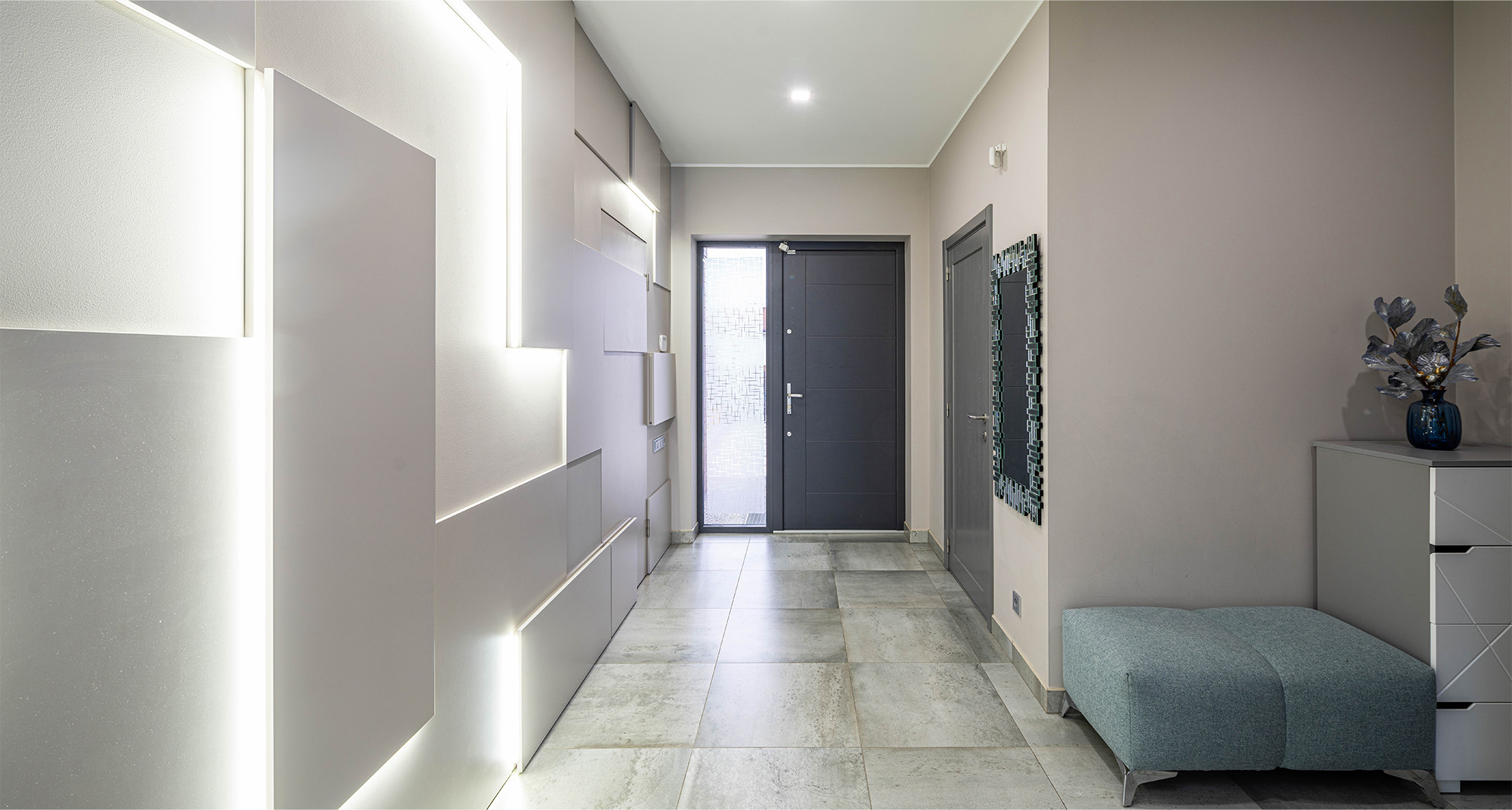
Entryways in Connecticut work harder than almost any other floor in the home. They deal with wet shoes, de-icing salt, fine grit, temperature shifts, umbrellas, pet traffic, and repeated impact from daily use. A floor that looks great in a photo may not hold up well once winter starts.
At CarpetWorks, we help homeowners choose entryway tile based on performance first and appearance second. That does not mean sacrificing style. It means selecting materials and installation details that can handle real conditions in Hartford County homes.
Why entryways need a different type of tile
The front entry is a transition zone. Moisture is regularly tracked in, especially during snow season and spring thaw. Small particles like sand and salt are abrasive, which means glossy or softer surfaces can show wear faster than expected.
An entryway tile should be selected based on:
Slip resistance when wet
Surface durability under grit and repeated foot traffic
Low water absorption
Ease of cleaning
Grout stain and crack resistance
Compatibility with the subfloor and layout
These are technical performance factors, not just style preferences.
Porcelain is usually the best overall choice
For most entryways, porcelain tile is the strongest all-around recommendation. Porcelain is denser than standard ceramic and has a lower water absorption rate. That makes it better suited for wet conditions and freeze-thaw exposure near exterior doors.
Benefits of porcelain tile in entryways include:
High density and excellent wear resistance
Better moisture performance than many ceramic products
Broad range of looks including stone, concrete, slate, and wood visuals
Easier long-term maintenance in active households
Unglazed porcelain or textured glazed porcelain often performs best because it can provide more traction than polished surfaces.
Slip resistance matters more than shine
A common mistake is choosing a smooth polished tile because it looks upscale. In an entryway, that can create a slippery surface once water, slush, or fine grit is introduced.
Look for tile with a textured or matte finish. While manufacturers may report slip testing in different ways, the practical design principle is straightforward: more texture generally improves traction, especially in wet shoes conditions.
Good entryway surfaces often include:
Matte porcelain
Structured stone-look porcelain
Tiles with light micro-texture
Mosaics with more grout joints for added grip in smaller vestibules
Highly polished tile is usually a poor fit for Connecticut entry zones.
Grout performance is just as important as tile performance
Even an excellent tile installation can look worn early if the grout is not chosen correctly. Entryway grout takes direct exposure to dirt, salt, and water. Lighter grout colors often show staining faster, and weak grout can deteriorate under repeated moisture cycling.
Important grout considerations include:
Use a grout color that can disguise winter debris and normal traffic
Consider higher-performance grout products for stain resistance
Make sure movement joints are addressed properly in larger areas
Seal grout if the selected product requires it
Homeowners often focus on tile size and color, but grout is the field system holding the floor together visually and functionally. Poor grout performance is one of the fastest ways an entryway starts looking older than it should.
Tile size and layout affect maintenance
Large-format tile can look clean and modern, but it is not automatically the best answer for every entry. Smaller tile or mosaic formats can provide better traction because of the extra grout joints. That can be useful in compact entries or spaces that regularly get wet.
Larger tile can still work very well if the selected surface has enough texture and the layout is planned correctly. The right choice depends on:
Size of the entry area
Frequency of wet traffic
Design style of the home
Desired grout line visibility
Subfloor flatness and installation conditions
A professional evaluation helps avoid a floor that looks good at installation but performs poorly during the first winter.
Think about the full system not just the tile
A long-lasting tile entryway depends on more than the tile itself. Proper substrate preparation, underlayment selection, transition detailing, and edge protection all matter. In older homes especially, movement in the subfloor can affect the finished result.
This is why technical product selection and quality installation should go together.
The best tile for an entryway in Hartford County is usually one that combines porcelain strength, wet-area traction, durable grout performance, and a surface finish that can handle winter wear without becoming difficult to maintain. A smart choice at the front door improves both safety and long-term appearance.
Visit CarpetWorks at East Hartford, CT to compare entryway tile options in person and get guidance based on your home’s traffic and layout. We proudly serve New Haven, Waterbury, Hartford, East Hartford, West Hartford, Middletown, and Manchester, CT. For help choosing tile that can stand up to Connecticut weather, contact us today.


