

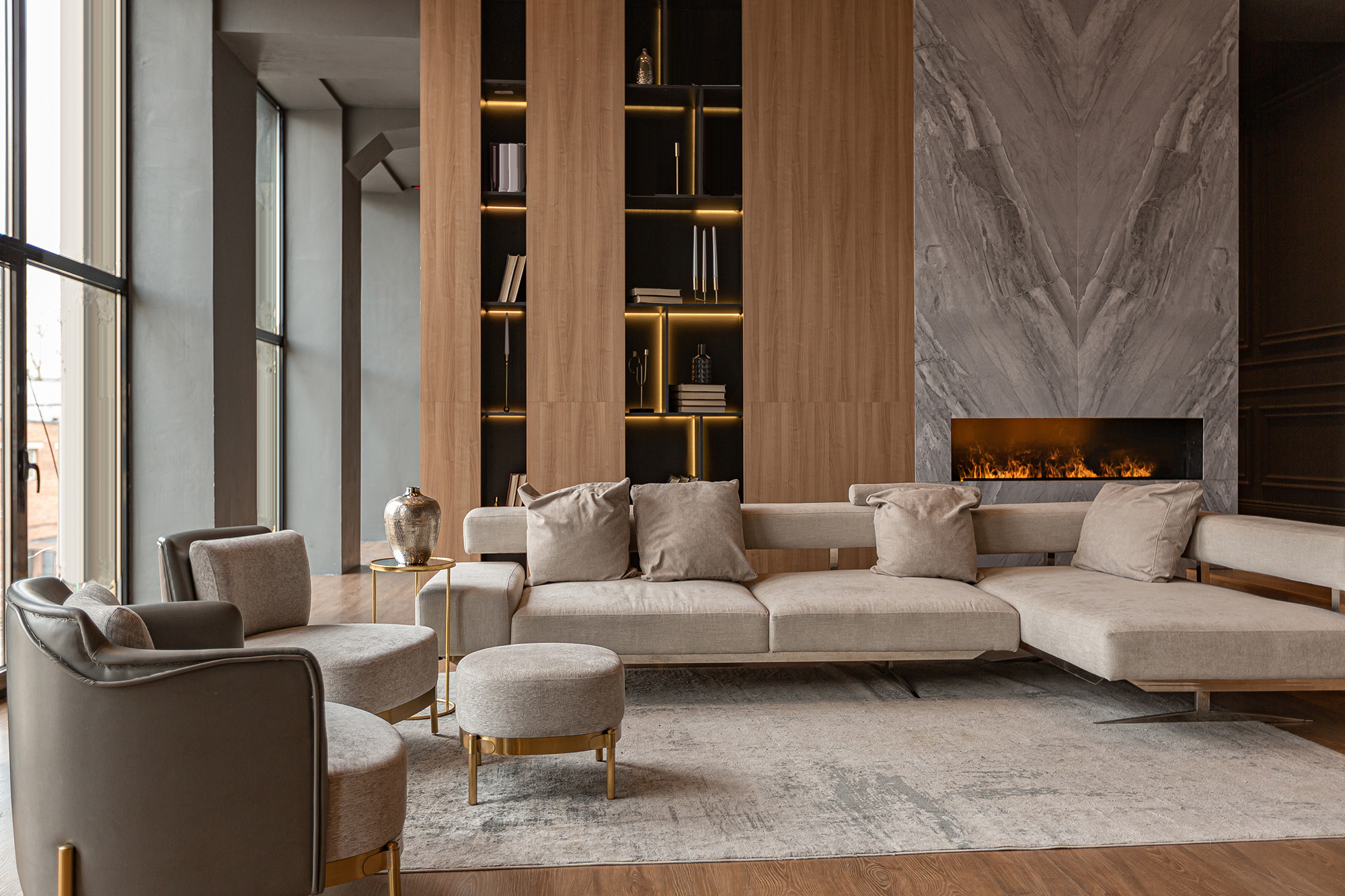
Traffic Volume Changes What Construction Actually Holds Up
A residential rug is built around the assumption of intermittent daily use, while a lobby or waiting room rug is underfoot almost constantly during business hours, often from multiple directions at once near an entry or a reception desk. Commercial rug construction accounts for that difference through denser tufting or tighter weaves designed specifically for continuous wear rather than periodic use.
Wear testing for commercial fabrics and rugs is often measured through rub count standards that indicate how many cycles of abrasion a material can withstand before visible wear appears. Asking about that rating, rather than judging a rug purely by how it feels underfoot in a showroom, gives a much clearer picture of how it will actually perform after a year of daily traffic.
Accessibility Requirements Affect Pile Height and Backing
Lobbies and waiting rooms frequently need to accommodate wheelchairs, walkers, and rolling luggage or equipment, which places real constraints on rug pile height and backing that a home rarely has to consider. A pile that is too thick or a backing that shifts underfoot can create a genuine accessibility barrier rather than just a minor inconvenience.
A low, firmly secured pile that sits close to the surrounding floor height allows equipment to roll across it smoothly while still providing the acoustic and visual benefits a rug adds to a space. This is worth specifying clearly at the start of a project rather than discovering after installation that a beautiful rug is creating a daily obstacle for some of the people using the space.
Entrance Zones Need to Be Sized to Actually Work
A short walk off mat at a doorway does very little to manage the amount of moisture, salt, and debris that a Connecticut winter brings into a lobby or waiting room. Facilities that see the best results size their entrance matting zones to actually give visitors several steps to clean their shoes before reaching the primary flooring or rug underneath.
This often means treating the entrance zone as a distinct piece from the rest of the lobby's area rug, rather than expecting a single rug to handle both the entrance cleaning function and the aesthetic function of the room at once. Planning these as two coordinated pieces tends to protect both the entrance area and the rest of the space's flooring far better than a single rug trying to do both jobs.
Color and Pattern Choices Affect Long Term Appearance
Solution dyed fibers hold their color under the kind of continuous lighting and foot traffic a lobby experiences far better than fibers dyed through a different process, since the color runs through the entire fiber rather than sitting on the surface. This matters more in a space that stays lit and occupied most of the day than it does in a home that sees more variable light and use.
Pattern also plays a practical role beyond aesthetics, since a busier pattern tends to disguise everyday soiling between cleanings better than a solid color does in a high traffic commercial setting. This is a genuinely useful consideration for a space that gets professionally cleaned on a schedule rather than spot cleaned the moment something happens, which is the normal rhythm in most lobbies and waiting rooms.
Furnish Your Lobby With a Rug Built for the Job
A lobby or waiting room rug has to perform under conditions a residential rug was never designed for, and getting the construction, sizing, and placement right from the start avoids a premature replacement a few years in. CarpetWorks works with hospitality and service businesses across the region to source rugs built for continuous commercial traffic.
Explore our area rug options suited for commercial spaces, or visit us at East Hartford, CT. We support businesses throughout New Haven, Waterbury, Hartford, East Hartford, West Hartford, Middletown, and Manchester, CT, and our team can help you plan a rug program built for daily traffic. Contact us to talk through your space.


